MilanoSesto: Europe's Most Ambitious Urban Regeneration | europe-re.com
Rising from the silence of a long-abandoned steelworks on the north-eastern edge of Milan, MilanoSesto is reshaping European expectations of what urban regeneration can achieve. Covering more than 1.5 million square metres — the footprint of the historic Falck Steelworks of Sesto San Giovanni, which ceased production in the 1990s — it is Italy's largest urban regeneration project and one of the most ambitious on the continent.
With a masterplan designed by international architecture firm Foster + Partners and a development model championed by global real estate firm Hines alongside institutional partners COIMA SGR, Redo SGR, and Prelios SGR, MilanoSesto is being delivered in phases across more than a decade. The first phase - Unione Zero - is now actively under construction and transforming a formerly desolate industrial corridor into a living, working, and studying community.
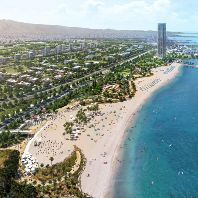
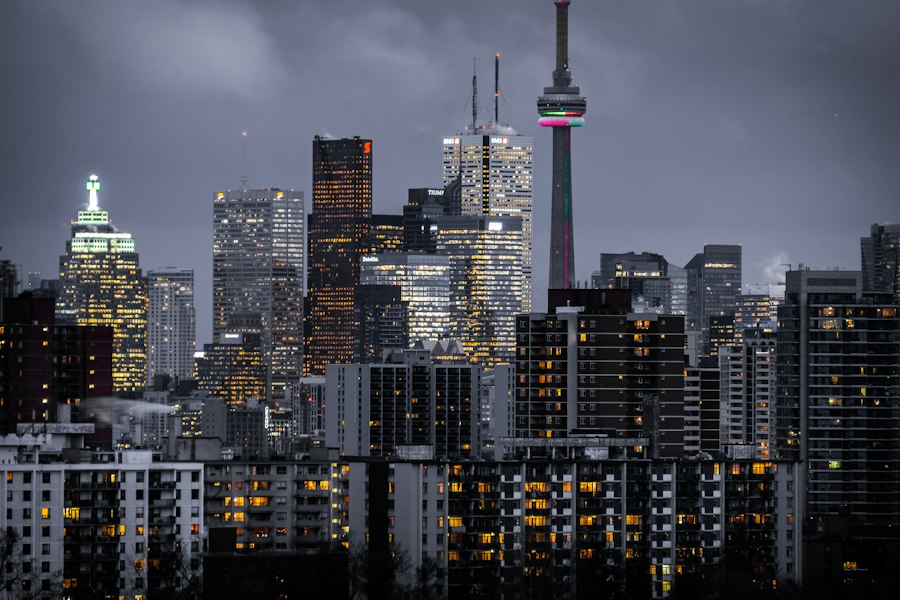
The greater Milan metropolitan region continues its transformation as a benchmark for European urban development. Photo: Wikimedia Commons / CC BY-SA
A New Urban Paradigm Born from Industrial Heritage
Few regeneration stories in Europe carry the symbolic weight of MilanoSesto. The former Falck Steelworks played a defining role in Italy's 20th-century industrial identity, and their closure left behind not only a physical void but a social one for the municipality of Sesto San Giovanni. The ambition here has never been merely to fill that void with buildings - it has been to create a genuinely new piece of city.
The Foster + Partners masterplan is structured around the principle of social connectivity. New squares, an ecological boulevard, and a vast 45-hectare urban park - destined to become one of the largest green spaces in the Lombardy region - weave through the development, ensuring that no building stands in isolation. Existing industrial structures, rather than being demolished, are being repurposed as civic and cultural anchors: the long OMEC warehouse is being reimagined as a food market; the historic Treno Laminatoio steel shed is being reborn as a wellness and sport facility.
"MilanoSesto will serve as a shining example of our concept of sustainable real estate development for the long term, with the goal of providing a positive impact at a local and national level."
Mario Abbadessa, Senior Managing Director & Country Head, Hines ItalyUnione Zero: The First Phase Takes Shape
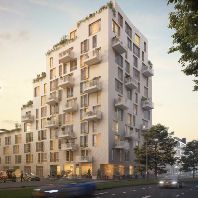
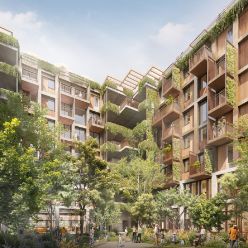
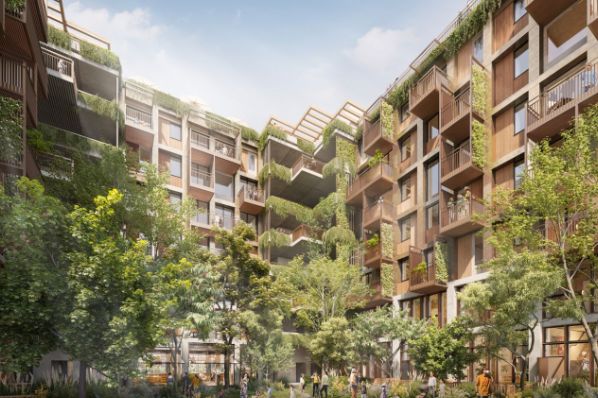
The Unione Zero lot - the first privately funded phase of MilanoSesto, covering approximately 250,000 square metres of above and below-ground space - was entrusted to a quartet of leading Italian architecture studios, each bringing a distinct design sensibility to the seven buildings under development.
- ACPV (Antonio Citterio Patricia Viel) - Office tower of 48,000 m² housing Intesa Sanpaolo headquarters, plus a 301-room hotel
- Park Associati - Student accommodation for approximately 700 residents
- Barreca & La Varra - Affordable housing component of 285 apartments
- Scandurra Studio Architettura - Free-market residential units comprising 480 apartments
The office building - a 17-storey tower targeted at LEED and WELL certification and WiredScore connectivity standards — will accommodate approximately 2,000 workers across individual offices and open-plan spaces, with a gym, bar, and event areas. Its design reduces CO? emissions through renewable energy procurement and auto-production, with the wider Unione Zero energy strategy projected to avoid the release of 5,500 tonnes of carbon dioxide into the atmosphere annually compared with conventional building standards.
Smart, Sustainable and Social - By Design
The project's sustainability framework responds to nine of the seventeen UN Sustainable Development Goals. This is not a retrospective claim but a design commitment embedded from the earliest planning stages, covering environmental, social, and economic dimensions simultaneously.
From an environmental standpoint, MilanoSesto incorporates:
- LEED and WELL certification targets across all major buildings
- Circular economy principles governing construction materials and operational processes
- 30% lower energy consumption vs. conventional systems for the Unione Zero and adjacent Health district
- Zero-emissions internal mobility strategy and renewable energy integration
- Full remediation of the former industrial site to meet the highest environmental standards
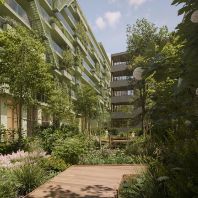
Social sustainability receives equal prominence. The residential mix deliberately spans income levels — market-rate, affordable, and subsidised housing sit alongside student accommodation and senior living — while childcare facilities, co-working spaces, and gymnasiums are built into the masterplan as essential infrastructure rather than optional amenities.
Key Project Data
A Prime Metropolitan Location - Enhanced by Connectivity
Sesto San Giovanni sits at the north-eastern gateway to the Milan metropolitan area, and MilanoSesto's development is being matched by significant public infrastructure investment. A new railway station - designed by the Renzo Piano Building Workshop with Ottavio di Blasi & Partners - features an 89-metre-long glass walkway suspended 14 metres above the tracks, connecting directly to the M1 metro line while bridging the historic divide between the regenerated area and the existing town. The station opened to passengers in December 2025.

Adjacent to Unione Zero, the Città della Salute e della Ricerca (City of Health and Research) — designed by Mario Cucinella Architects — will house the new campuses of the Besta Neurological Institute and the National Cancer Institute, together covering 197,000 square metres of regenerated area. This healthcare anchor reinforces the district's long-term appeal as a mixed-use destination that serves both residents and the wider metropolitan community.
Recognised as a European Benchmark
MilanoSesto has attracted consistent recognition from the international real estate and urban design community for its scale, complexity, and social ambition.
In 2023, ownership of the broader MilanoSesto SpA site transferred from Hines to COIMA SGR and Redo SGR, two Italian real estate managers with deep experience in sustainable urban development and affordable housing. Their arrival is widely read as a signal of confidence in the project's long-term trajectory and its alignment with European ESG investment expectations.
With the Unione Zero construction site active, the new railway station operational, the Health and Research City advancing, and the first park spaces beginning to take shape, MilanoSesto has moved decisively from concept to reality. It is not just a project — it is an emerging neighbourhood, and one that the European real estate industry will be watching closely for years to come.
More information: milanosesto.com