London, United Kingdom: The financing disruption challenging real estate could hand prepared investors their next opening in 2027, according to Cristiano Stampa, Managing Director and Chief Investment Officer at Invesco Real Estate Europe, part of Invesco Ltd. With oil rising above approximately €91 per barrel in 2026, based on US Energy Information Administration data, inflation pressure and expectations of tighter monetary policy have pushed up borrowing costs. Stampa writes: "While these conditions may have constrained more traditional investment strategies, they may also be creating opportunities for investors able to respond to changing financing dynamics and asset valuations across parts of the real estate market."
Where banks hesitate, others are stepping in. Real estate debt funds are filling financing gaps where regulation, or the immaturity of a sector or location, leaves banks ill-equipped to lend, with Stampa pointing to strong, relatively stable returns. He also expects modest further yield expansion for lower-yielding assets in the near term. "Combined with disruption in debt markets, this could lead to some forced sales and create attractive entry points for value-add strategies."
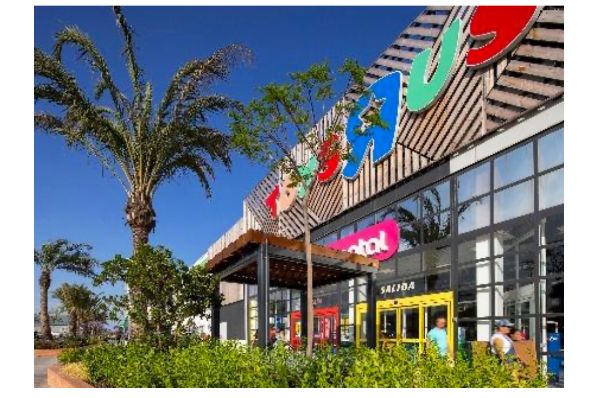
Yet distress is only part of the story. Lower construction levels are limiting new supply and supporting rental growth across many markets, while parts of the core sector remain resilient. "Although headlines focus on alternative or non-traditional asset classes, opportunities driven by strength in occupier markets and re-pricing are quietly gaining momentum." Retail is moving into focus, with high shopping centre yields, early signs of yield compression in some markets and discretionary spending that has yet to show meaningful pressure, which also supports demand for European logistics.
Buyers should also weigh a cost that could reshape the bargain: energy performance. Under the EU's revised Energy Performance of Buildings Directive, national standards are due to trigger renovation of the 16% worst-performing non-residential buildings by 2030 and 26% by 2033. The European Commission opened infringement procedures against all 27 member states in July 2026 for failing to fully transpose the rules. A discounted building may therefore carry a significant upgrade bill, while developers able to improve it could unlock fresh value.
The advantage in 2027 may belong to investors and developers who have capital ready, understand the financing gap and price in energy upgrades before they bid.
People mentioned
- Cristiano Stampa: Managing Director, Chief Investment Officer, Invesco Real Estate Europe; author of the 2027 outlook.
Companies and organisations mentioned
- Invesco Real Estate: global real estate investment manager and source of the outlook.
- Invesco Ltd.: global asset management firm and part of the same group as Invesco Real Estate.
- US Energy Information Administration: source of the oil price data.
- European Commission: EU executive body that opened the infringement procedures.